
Tips for Addressing Vision Changes at 40
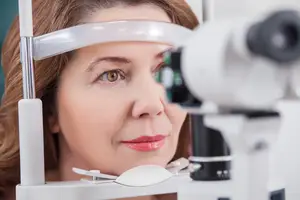
Turning 40 often brings new priorities: family, career, wellness. And, for many people, a surprising new vision change. You may notice that small print looks fuzzy, restaurant menus are harder to read, or you have to hold your phone farther away to focus. These changes are common, but they can still be frustrating.
At Optique Family Vision Care Springfield in Springfield, OH, we help patients understand what is happening with their eyes and find practical solutions for clear, comfortable vision.
Why Vision Often Changes Around 40
One of the most common vision changes after 40 is presbyopia. Presbyopia happens when the natural lens inside the eye becomes less flexible over time. As a result, your eyes have a harder time focusing on nearby objects.
This does not mean you did anything wrong. It is a normal part of aging, and it can affect people even if they have always had excellent vision.
Common signs include:
- Needing brighter light to read
- Holding books, phones, or labels farther away
- Eye strain after computer work Headaches after reading
- Difficulty seeing small print on screens, packaging, or menus
- Switching between near and far focus more slowly
Don’t Guess, Get an Eye Exam
Drugstore readers may help temporarily, but they are not a substitute for a comprehensive eye exam. An eye exam can determine whether your symptoms are due to presbyopia, a prescription change, dry eye, computer vision strain, or another eye health issue.
Around age 40, eye exams become especially important because some eye conditions can develop gradually and may not cause obvious symptoms early on. A comprehensive exam gives your eye doctor a full picture of your vision and eye health.
Consider Your Lens Options
The right solution depends on your eyes, your lifestyle, and how you use your vision throughout the day. Options may include:
- Reading glasses: Helpful for close-up tasks like books, menus, and labels.
- Progressive lenses: These provide multiple viewing zones in one pair of glasses, helping you see far away, at intermediate distances, and up close without switching glasses.
- Computer glasses: Designed for screen distance, these may reduce strain if you spend long hours at a desk.
- Multifocal contact lenses: A contact lens option for people who prefer not to rely on glasses.
- Updated prescription eyewear: Sometimes the best answer is a new prescription that better matches your current needs.
Make Your Screens Easier on Your Eyes
If small text on your phone or computer is harder to read, a few adjustments can help. Increase text size, improve contrast, reduce glare, and make sure your screen is at a comfortable distance. Take regular breaks, especially during long workdays, and remember to blink often.
Dryness can also make vision fluctuate, especially during screen use. If your eyes feel gritty, tired, watery, or irritated, mention it during your exam.
Use Better Lighting for Your Eyes
Good lighting makes a big difference. Use direct task lighting for reading, hobbies, bills, and detailed work. Avoid reading in dim light for long periods, and reduce glare from windows or overhead lights when working on a computer.
Schedule an Eye Exam With Us
Schedule an eye exam if you are noticing new trouble reading, frequent eye strain, headaches, blurry vision, or difficulty working on screens. You should also seek prompt care for sudden vision loss, flashes of light, new floaters, eye pain, or sudden distortion in your vision.
Vision changes at 40 are common, but you do not have to work around them every day. The right prescription, eyewear, contact lenses, or treatment plan can help you see clearly and comfortably again.
At Optique Family Vision Care Springfield, our eye care team is here to help patients in Springfield, OH navigate vision changes with personalized care and practical solutions. Schedule an eye exam today.
FAQ
Is it normal for my vision to change at 40?
Yes. Many people begin noticing near-vision changes in their early to mid-40s due to presbyopia. An eye exam can confirm the cause and help determine the best correction.
I’m 40 and starting to struggle with small spreadsheet text, what are my options?
You may benefit from computer glasses, progressive lenses, reading glasses, or an updated prescription. If you work with spreadsheets for long periods, computer-specific lenses may be especially helpful because they are designed for screen and desk distances. Your eye doctor can recommend the best option based on your prescription and work setup.
Are drugstore reading glasses good enough?
They can help some people with simple near-vision needs, but they do not correct astigmatism, different prescriptions between eyes, or eye health concerns. A comprehensive eye exam is the best way to know what you really need.
Can contact lenses help with vision changes after 40?
Yes. Multifocal contact lenses or other contact lens strategies may help some patients see clearly at multiple distances. Your eye doctor can determine whether you are a good candidate.
How often should I have an eye exam after 40?
Many adults benefit from annual eye exams, especially if they notice vision changes, use screens heavily, wear contacts, or have health conditions that can affect the eyes.