
Macular Degeneration
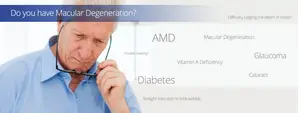
Treating Macular Degeneration: What You Need to Know
Macular degeneration is one of the most common causes of vision loss in adults over 60 — and it’s something many folks in Springfield are familiar with. This condition affects your central vision, making it harder to read, recognize faces, or see fine details.
There are two main types: dry (more common and slower progressing) and wet (less common but faster and more serious). Early signs can include blurry central vision, needing more light to read, or seeing straight lines appear wavy.While there's no outright cure for macular degeneration, there are proven treatments that can help slow or manage it. These include AREDS2 vitamins, anti-VEGF injections for wet AMD, and lifestyle changes like quitting smoking and managing blood pressure. In more advanced cases, low-vision aids can help improve quality of life. At Optique Family Vision Care, we provide comprehensive AMD care close to home. We're easy to reach, with convenient parking and appointment times that work for seniors and their families.
FAQ: Macular Degeneration and Me – What a 60-Year-Old in Springfield Wants to Know
What is macular degeneration and how does it affect my eyesight?
-
- Macular degeneration is an age-related condition that impacts your central vision, which you use to read, drive, or recognize faces. It doesn’t cause complete blindness but can severely affect your ability to see fine detail.
Am I at risk now that I’m 60?
-
- Yes — risk rises sharply after age 60. Other risk factors include smoking, high blood pressure, family history, and being overweight.
What warning signs should I watch for?
-
- Early signs include blurred vision, needing brighter light to read, trouble recognizing faces, and seeing straight lines appear wavy.
How can I tell if my vision changes are from aging or something more serious?
-
- Normal aging may cause mild changes, but sudden or worsening central vision issues could signal AMD. A comprehensive eye exam is the only way to know for sure.
Can I do anything to prevent macular degeneration from getting worse?
-
- Yes — stop smoking, manage your blood pressure, keep a healthy weight, and eat a diet rich in leafy greens and fish. AREDS2 supplements may help slow progression in certain cases.
Does my lifestyle really affect my risk?
-
- Absolutely. Smoking alone doubles your risk, and uncontrolled blood pressure and poor diet can make things worse.
If I’m diagnosed, what treatments are available here in Springfield?
-
- We offer personalized AMD management, including anti-VEGF injections for wet AMD, AREDS2 vitamins, and access to low-vision tools if needed.
Will I go blind if I get macular degeneration?
-
- No — AMD affects your central vision, but your peripheral vision remains intact. With early detection and treatment, many patients retain good functional vision.
Are the injections painful or safe?
-
- Anti-VEGF injections are very safe and usually well-tolerated. Most people feel just mild pressure or discomfort, not sharp pain.
How often do I need eye exams if I have AMD?
- Most patients need regular monitoring every 6–12 months, but your optometrist may recommend a different schedule depending on your condition.
If you're over 60 and starting to notice changes in your vision, don't wait to get checked — early detection is key to preserving your eyesight. Our eye care team is here to help you manage macular degeneration with personalized care, right here in Springfield. Call us today or request an eye exam online and get the answers you need.