
Myopia Management for Children
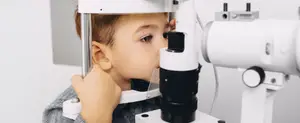
At Optique Family Vision Care, we provide care to support your child’s vision as they grow. Myopia management helps slow the progression of nearsightedness in children. If your child wears glasses or shows signs of vision changes, our Springfield eye care team provides evaluation and care.
What Is Myopia?
Myopia, also known as nearsightedness, is a common condition that causes distant objects to appear blurry while close-up vision remains clear. It typically develops in childhood and can worsen as a child grows. What may start as occasional squinting at the board or difficulty seeing the TV can progress quickly if left unmanaged.
Myopia occurs when the eyeball grows too long, or the cornea becomes too curved, causing light to focus in front of the retina instead of directly on it. As the condition progresses, a child may need stronger prescriptions, sometimes annually.
Why Should Parents Be Concerned About Their Child's Myopia?
While glasses or contact lenses can correct blurry vision, they don’t stop myopia from getting worse. High levels of myopia can increase the risk of more serious eye health issues later in life, including:
- Retinal detachment
- Glaucoma
- Cataracts
- Macular degeneration
Early diagnosis and treatment help manage progression. That’s why early diagnosis and proactive care are key. Myopia management supports both clear vision and long-term eye health.
How Myopia Management Helps
Myopia management includes treatments that slow the progression of nearsightedness in children. These methods do not cure myopia, but they can slow progression and reduce the risk of future eye disease.
At Optique Family Vision Care, we offer myopia management plans based on your child’s needs and habits.
Common Myopia Management Options
We use current technology and research to guide treatment options.
Some of the most common methods include:
1. Orthokeratology (Ortho-K)
Specialized gas-permeable contact lenses worn overnight reshape the cornea and allow clear vision during the day without glasses or contacts. Ortho-k lenses also help slow the progression of myopia in growing eyes.
2. Multifocal Soft Contact Lenses
These soft lenses provide clear vision and help slow eye growth. They are worn during the day and may suit children and teens.
3. Atropine Eye Drops
Patients apply low-dose atropine drops nightly to help slow the progression of myopia in children. They’re often a good fit for younger children or those not yet ready for contact lenses.
Protect Your Child’s Vision—Start Today
At Optique Family Vision Care, we assess each child’s vision individually. Our team answers questions and develops a care plan based on your child’s needs.
If your child shows signs of nearsightedness or wears glasses, consider myopia management.
Schedule an appointment with Dr. Joseph Culp to discuss myopia management options.